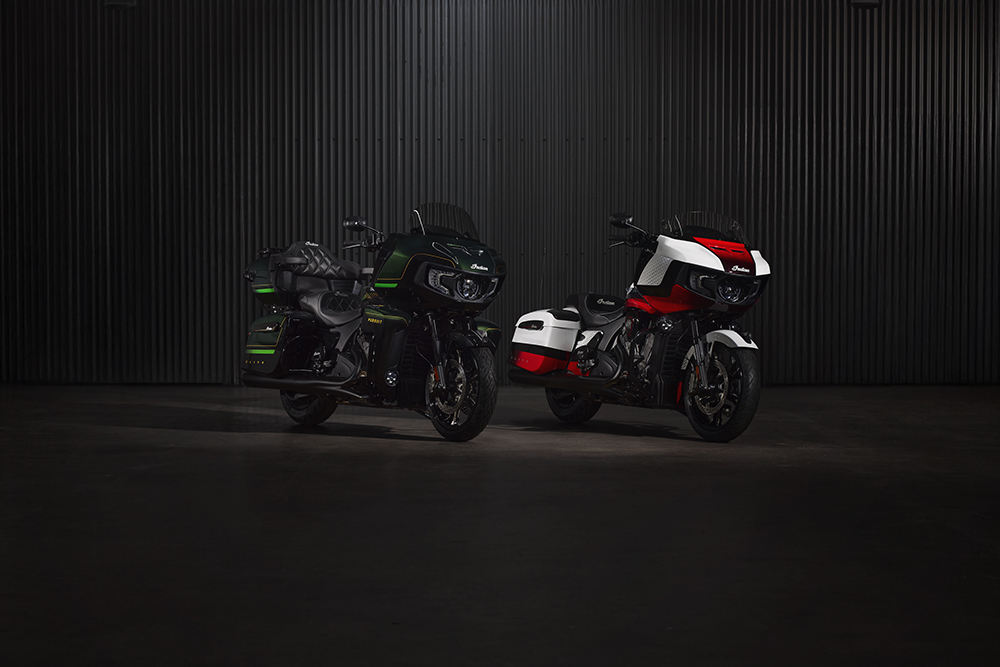
You’re at the gas pump, topping off your Street Glide or your Indian Chief, just enjoying the morning sun reflecting off the chrome. Before you can even put the nozzle back, here they come. You know the look—the furrowed brow and the hesitant step of someone who hasn’t sat on a bike in twenty years, if ever. Before you can even say “what up,” they’re hitting you with it: “You know, those things are dangerous. My neighbor’s second cousin had a wreck back in the eighties…”
It’s a story every one of us has heard a thousand times. For some reason, as soon as people see a V-twin, they feel the need to project their own anxieties onto our handlebars. While it usually comes from a place of concern, let’s be honest: it’s exhausting.
The Burden of Someone Else’s Fear
Truth be told, when a non-rider gives you the “safety lecture,” they aren’t actually talking about you. They are talking about their own lack of control. To them, the open air looks like vulnerability. They see the “cage” of their SUV as a suit of armor, ignoring the fact that they’re often more distracted by a cheeseburger and a text message than we are by the road ahead.
In fact, think about how weird this behavior would be in any other part of life. You don’t see people hanging out in the grocery store parking lot waiting to tell folks that red meat will clog their arteries. You don’t see strangers stopping hikers at a trailhead to remind them that gravity is a real thing and cliffs are steep. Yet, because our passion is loud and visible, we become the sounding board for everyone’s “what-ifs.”
Changing the Conversation
So, how do we handle it without being the “grumpy biker” stereotype? Transitioning the conversation from fear to discipline is key. When someone tells me how dangerous my ride is, I usually just nod and say, “That’s why I don’t ride like an amateur.” I remind them that for us, safety isn’t a hope—it’s a set of skills. We invest in the gear, we practice our low-speed maneuvers, and we keep our eyes moving.
Moreover, it helps to put things in a language they understand. Driving to work in heavy traffic while sipping a latte is a risk. Sitting on the couch for forty years is a risk. We just happen to choose a risk that speaks to our souls.
Why We Twist the Throttle
Ultimately, what non-riders don’t get is that we aren’t “daredevils” looking for a thrill; we’re people looking for a moment of peace. There’s a mental clarity that comes with the rumble of a big V-twin that you just can’t find in a climate-controlled sedan.
Next time you get cornered at a gas station, family gathering, or a rest stop, try to remember that they just don’t know what they’re missing. We know the risks, and we respect the machine. But more importantly, we know that the view from behind a pair of handlebars is worth every bit of it. Keep your head on a swivel and feet on the pegs—see you out there.